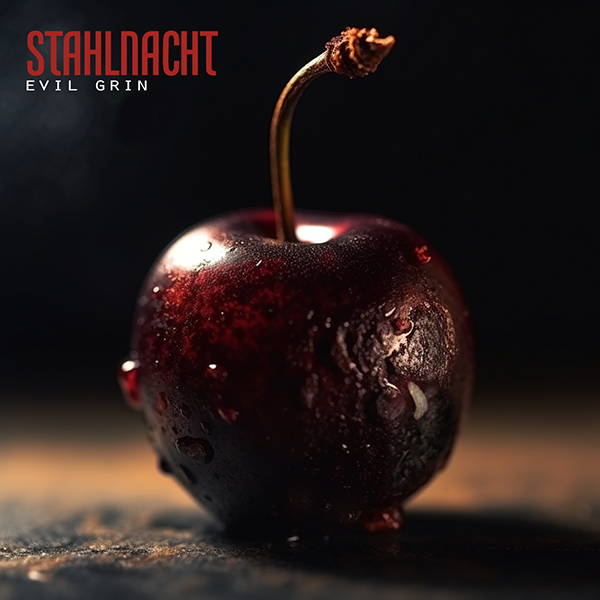

das konzept hinter dieser cover-art stand relativ schnell fest, nachdem ich mit dem schreiben der lyrics zu „evil grin“ angefangen hatte. sinnbildlich für eine krankheit, die dich von innen heraus auffrisst, wollte ich eine made zeigen, die aus einer reifen frucht herausschaut. die frucht erscheint im licht auch noch total saftig und frisch. auf der schattenseite allerdings ist dann bereits der schaden zu erkennen, den die made angerichtet hat. das cover findet ihr wieder in der galerie.
neues cover: stosstrupp

bei der suche nach einer visuellen analogie bzw einer metapher für spermien auf ihrem egoistischen und kriegerischen weg zur eizelle, kam ich irgendwann auf schabenartige insekten. da ich mir diese insekten, aehnlich wie ameisen, auch sehr geordnet, fast schon im gleichschritt marschierend, vorstellen kann, unterstreicht diese bildliche umsetzung eben auch noch den lyrics titel selbst: „stosstrupp“. das cover findet ihr natuerlich in der galerie.
neues cover: your scream

dies ist die erste von einer neuen serie an cover-arbeiten, und sie repraesentiert die lyrics von „your scream“. inspiriert vom konstrukt einer banshee, einem weiblichen geist in der irischen folklore, der den tod eines familienmitglieds in der regel durch schreien, kreischen oder wehklagen ankuendigt, wollte ich mit diesem cover genau dieses schreien visuell einfangen. schaut euch das cover gern in der galerie an.
ich bin zurueck mit neuen texten

wow! total ungeplant, aber auf den tag genau … nach 7 jahren schaffenspause bin ich endlich wieder zurueck … es brannte mir schon laenger unter den naegeln, und jetzt schreibe ich wieder.
und „steriliser“ ist der erste von drei neuen texten, der zum konzeptalbum „steinschlag“ gehoert.
hallo stahlnacht!

willkommen bei stahlnacht. nach 12 langen jahren dahinvegetierens mit haesslichem moechtegern-code bin ich mit meinem lyrics projekt endlich im modernen internet von heute angekommen. wer die seite noch von frueher kennt, weiss, was ich meine 🙂
in den naechsten tagen wird hier noch einiges passieren. erwarte also bitte noch keine komplett fertige seite.
mit ‘spreadshirt.de‘ als partner ist nun auch der exklusive stahlnacht-shirtshop eroeffnet, indem euch trendige klamotten in 1a-qualitaet mit entsprechenden stahlnacht-schriftzuegen und logos erwarten.
tja, schon nach guten 10 wochen wurde ge-relaunched, um endlich die layout-feinabstimmung meiner projekt-website abzuschliessen und stahlnacht damit endlich in geplanter form zu praesentieren.
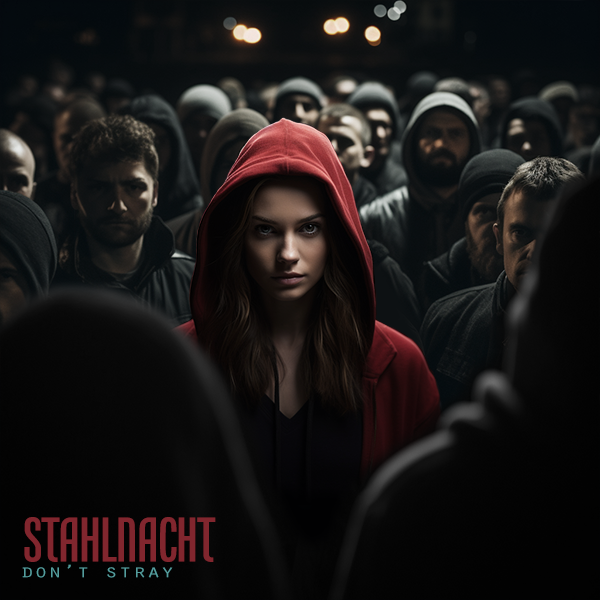
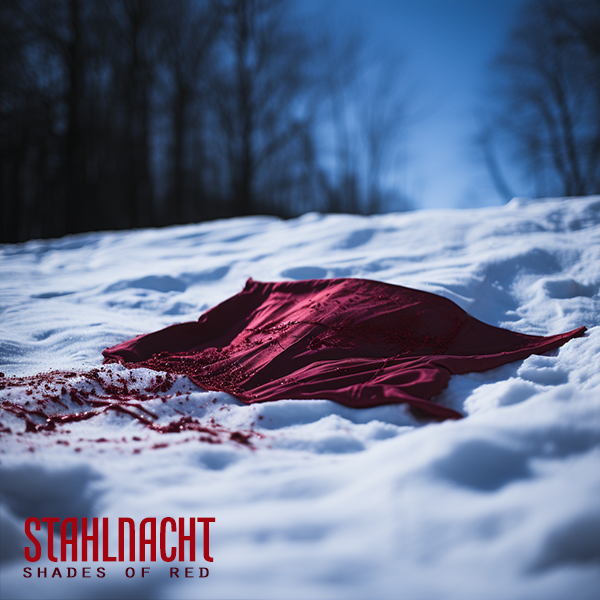
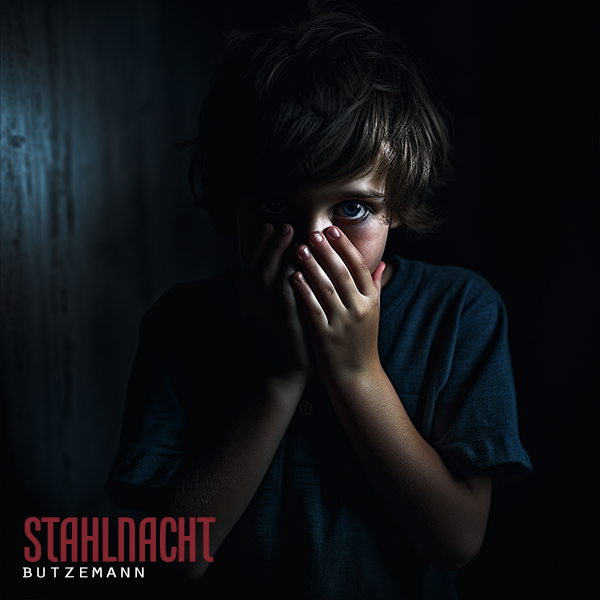
endlich nimmt auch die galerie formen an und in naher zukunft werden auch die ersten cover-arts fuer euch im netz bereit stehen.
mittlerweile sind fast alle lyrics hochgeladen und stellen sich somit eurem kritischem urteil. schreibt mir gern was ihr moegt, was nicht und was ihr in zukunft sehen wollt.
ich habe nun auch die ersten lyrics hochgeladen! online sind jetzt bereits 5 texte, die die 4 konzeptalben auch so langsam mit leben fuellen. also schaut einfach vorbei und lasst mich wissen, was ihr darueber denkt.